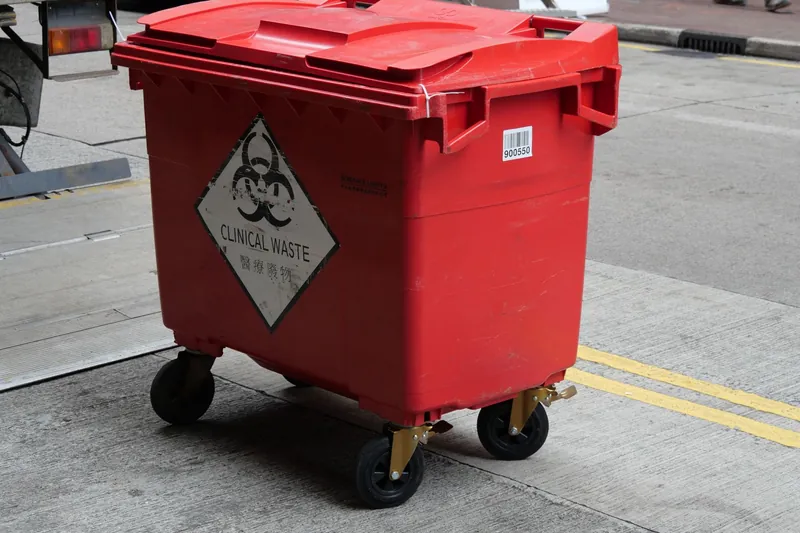
Medical Waste Removal
Medical waste removal includes disposal through facilities approved for treatment.
See medical waste removalGet discarded needles, syringes and related sharps removed from a yard, rental, park, alley or commercial property in Greenville. Keep people and pets away until the affected area has been searched and cleared.
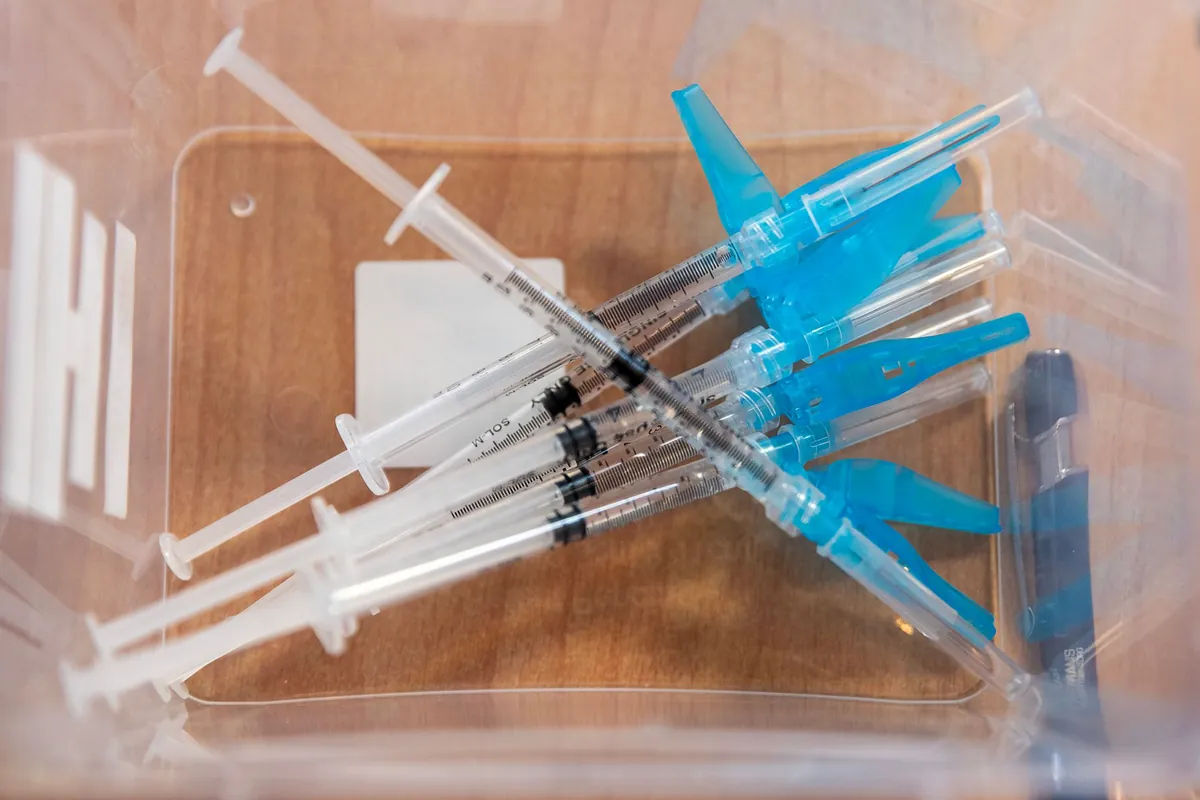
Needle and sharps cleanup means systematically looking for abandoned needles, razor blades, lancets, syringes and similar sharp items, then collecting and containing them safely for disposal that follows applicable waste rules.
One clearly seen syringe may define the job, while a bigger affected space may need an organized sweep. Grass and mulch are checked along with planters, empty units, stairs, fence lines, garbage areas, and the spaces under debris or furniture. A pickup implement such as tongs creates distance between each sharp point and the technician's hands. Rather than entering a loose sack, every object is put straight into a hard, puncture-resistant sharps container.
A tenant departure, trespassing, illegal drugs or an encampment closure may leave a property needing discarded syringe removal. Related biohazard work may cover more than the sharps themselves. Paraphernalia, limited bodily fluid staining and contaminated material beside them can also require attention. Each material is identified, separated, packaged and cleaned as appropriate, rather than being swept into regular trash together.
Before starting the cleanup process, the plan explains search boundaries, possible movement of items and factors affecting cost.
Documentation such as service details, images and available disposal records helps property owners, managers and insurance companies see what was completed.
You can reach someone during the day or night, and crews may use unmarked vehicles to preserve privacy at businesses, rentals and residences.
Items safe to remain are identified through an orderly check, then divided from contaminated materials and waste.
Needle removal is needed whenever a sharp could puncture a person during normal use, maintenance or cleaning. No cleaning service fits every situation, so the search area should match what was found and how the property is used. Common situations include:
Remove discarded sharps before commercial cleaning services resume around loading docks, restrooms, stairs, parking structures or exterior planting areas.
Needles left in a unit, drawer, mattress, trash pile or common area need controlled pickup before cleaners, contractors or new occupants enter.
Finding syringes among broken glass, foil, pipes or residue of an unknown kind may mean several contamination and injury hazards overlap.
Sharps can be concealed inside tents, loose refuse, plants or bedding, so avoid lifting or pressing the debris before an inspection.
Prevent anyone from making contact first. These simple, steady actions reduce risk and keep the area intact for a thorough search for sharps:
Call (888) 440-9227Published cost guides do not list a dollar range specifically for needle and sharps cleanup. The closest related figures are medical waste disposal at $2 to $20 per pound and general biohazard cleanup at $3,000 to $5,000 per job. These are comparison figures, not a sharps cleanup quote. Your price depends on the number of items, where they are found, the size of the sweep and required waste disposal.
These ranges come from published national cost guides, not from a site visit. The price for your property is set after the on-site assessment, and you hear it before work starts.
Ask about cost: (888) 440-9227Coverage varies based on the policy language, the needle location and the cause of the condition. Before work starts, check with the insurance company if delaying for that conversation is safe.
Property insurance may apply if the sharps resulted from covered trespassing, vandalism or some other event included by the policy. Send your adjuster photographs plus a straightforward account of what happened.
You can inquire about state assistance if the sharps are linked to a crime reported to authorities. Homeowners or renters insurance is usually the first place to ask about cleanup costs. After a death the estate often pays, and in a rental the owner usually arranges the cleanup.
Who bears the cost is affected by local requirements, the cause and provisions in the lease. Property owners and managers should document the unit before removing discarded needles.
Ask whether the event is covered, whether cleanup must be approved first and which photos, service notes or waste records are needed to move forward with the claim.
Access is restricted first, followed by a purposeful search and secure collection of the needles. Another visual check finishes the work. Although property conditions determine the scope, these stages remain in a defined order.
Cleanup technicians assess the known locations, recent property activity and surfaces involved, then set the boundary of the affected area.
While entry remains controlled, technicians use protective equipment suited to contamination and puncture hazards. The cleanup begins along a clear boundary.
The search moves systematically through separate zones, such as floor margins, planters, bedding, vegetation, furniture and rubbish locations where items may hide.
A tool, not a hand, lifts each visible sharp from the site. The sharp is never bent, broken, recapped or carried without secure containment.
A closable container built to resist punctures receives every needle, syringe and comparable item as soon as it is collected.
Nearby bodily fluids or other hazardous materials are removed, and compatible surfaces are cleaned with an EPA-registered disinfectant for the label's full contact time.
Closed containers move through the waste route required for that material and location, with available service and disposal records kept together.
Technicians tell you what they collected and note areas beyond reach after repeating the visual inspection and before the site reopens.
You can call anytime. You speak with a needle and sharps cleanup specialist who outlines the process and schedules a start time with you.
The main danger is a puncture or cut from a sharp that may also carry contaminated material. These serious health risks are why every discarded item should be treated as a hazard and why a wider area may need a methodical search by cleanup technicians.
Loose sharps can break through standard trash bags, putting anyone who moves, sorts or carries them at risk of injury. During waste disposal, a hard-sided sharps container reduces the risk of puncture.
Tall grass, floor cracks, loose rubbish, bedding, leaves and cushions can hide needles left behind at the site. After one item is found, inspect the surrounding areas before restarting normal activity.
Bloodborne pathogens can reach a person through a puncture caused by a used needle. OSHA's Bloodborne Pathogens Standard, 29 CFR 1910.1030, sets worker protections when occupational exposure to blood may occur.
Can you clean it yourself? When you discover one sharp, never use uncovered or gloved hands to touch it. Keep people away and follow local sharps guidance or request professional cleanup. If anyone is punctured, wash the area with soap and water and seek prompt medical advice about the exposure.
Puncture-resistant containers hold the collected sharps. When nearby surfaces show contamination, they are cleaned. Regular property can remain when technicians are able to inspect it and determine that retaining it is safe.
When employees may encounter blood, the OSHA Bloodborne Pathogens Standard, 29 CFR 1910.1030, addresses exposure controls, protective equipment and additional safeguards.
The selected EPA-registered disinfectant needs to stay wet on compatible surfaces containing bodily fluids or blood for its full labeled contact time.
North Carolina treats soaked materials from a biohazard scene as medical waste. Rules from the state Department of Environmental Quality's Solid Waste Section control how it is packaged, stored, transported and treated, so it cannot go in household trash.
Cleanup must wait for the required release if discarded sharps are part of a death scene or current law enforcement investigation. Local health and building rules can affect how a contaminated room is cleaned and when it can be used again, so mention any notice you have received from the city or county.
No universal time estimate fits every site. Collecting one item that is plainly visible can be quicker than completing a wide property search. Difficult entry, thick debris and hidden sharp objects increase the duration.
The full needle and sharps cleanup guide covers what is cleaned or removed, odor and air quality work, and the rules that apply in North Carolina and Mecklenburg County.
Read the full needle and sharps cleanup guideContainment, entry and cleanup plans can be influenced by local housing, population and access details.
Greenville is listed about 1.3 miles from Novant Health Presbyterian Medical Center, a relevant distance when prompt evaluation follows a biohazard exposure.
Connections to McCrorey Heights Historic District, McCrorey Heights, and Oaklawn make a precise address important for coordinating cleanup access without unnecessary neighborhood attention.
The Mecklenburg County location helps orient travel, while the neighborhood and full address identify where private cleanup work actually occurs.
Nearby community names help with orientation, but only the exact scene determines how needles and contaminated waste must be contained.
You can ask about cleanup in nearby communities and ZIP codes during the call.
Medical waste removal includes disposal through facilities approved for treatment.
See medical waste removal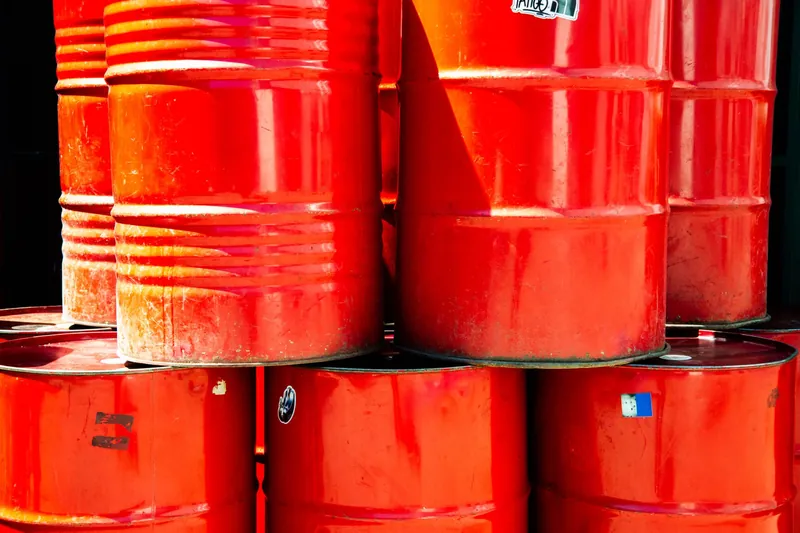
Sealed containers with labels hold biohazard waste during collection and disposal.
See biohazard waste disposal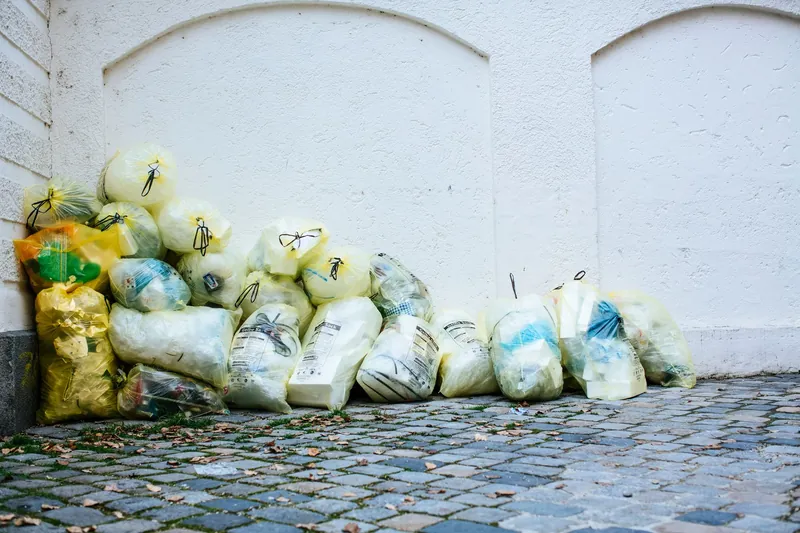
Rental spaces and properties are cleared of needles, pipes and residue from drugs.
See drug paraphernalia cleanup
Homeless camp cleanup addresses discarded needles, refuse and contaminated materials.
See homeless encampment cleanup
Biohazard cleanup for hotels, Airbnb units and rental properties.
See hotel, airbnb and rental biohazard cleanup
Planning for industrial and commercial biohazard cleanup considers operations and access to the site.
See commercial and industrial biohazard cleanup
During cleanup, blood exposure involving hepatitis C, HIV and hepatitis B is controlled.
See bloodborne pathogen cleanup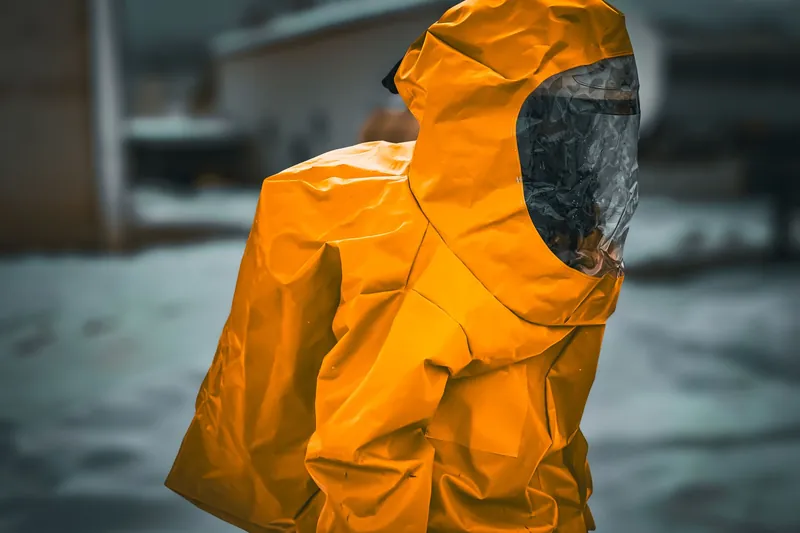
Any property receives disinfection after removal of infectious materials, including bodily fluids and blood.
See biohazard cleanupYes, sometimes. When contacting the cleanup service, mention any unidentified residue, small bags, foil, pipes or broken glass you have seen. Each item needs individual assessment since the physical and contamination risks may differ. The scope needs to identify whether technicians address sharps alone or collect paraphernalia, contamination nearby and other hazardous waste as well.
It depends, and conditions in the surrounding space should guide the decision. Finding one item in an uncluttered controlled interior is unlike discovering it inside a trash heap, tall vegetation, bedding or shared stairs. Recent site activity and likely hiding places help define the affected area. Ask your technician to describe the limits of the planned inspection.
Published cost guides do not list a sharps-specific range. The number of items, size of the search area, hidden debris, access and waste disposal determine the price. For context only, you can see related medical waste figures and broader biohazard pricing here. Pricing specific to your property requires an assessment of the location.
A cleanup technician restricts entry, uses suitable protective equipment and collects the item with tongs or another tool instead of by hand. A rigid puncture-resistant container receives the syringe once it is lifted. The syringe stays unbroken, unbent and is not recapped. A second search looks for objects concealed by furniture, rubbish, plants and the margins of floors.
Do not allow children, pets or guests near the item. Do not mow, rake or reach into nearby grass or mulch. Arrange for pickup after marking where the sharp lies from a distance. Rather than removing just one seen item, find out whether technicians should systematically inspect adjacent yard areas for hidden sharps.
A lasting odor or air concern does not usually come from the sharp itself. Nearby waste, spoiled items, bodily fluids or a separate source may be responsible for the odor. Cleanup should locate the odor's origin and take it away. Air treatment is not automatically necessary for sharps removal and should match the contamination actually found at the site.
You can request respectful, discreet needle and sharps cleanup 24 hours a day, and crews use unmarked vehicles.