Homicide Cleanup
Once the investigation ends, contaminated materials, blood and tissue are cleared during homicide cleanup.
See homicide cleanupGet blood, body fluids, fingerprint powder and odor removed from a home, apartment, rental or business in Greenville once police release the property. Most crime scene cleanups take one to three days.
Crime scene cleanup is the process of making a property safe to use following a violent crime. Tissue, body fluids, contaminated materials and blood are taken away, and the area is then disinfected and cleared of odor. Forensic cleaning and trauma scene cleanup are other names for this work.
Cleanup begins only after the investigation is finished. Evidence is gathered and the deceased is removed by police, detectives and the medical examiner or coroner, none of whom clean the property. Once released, the scene becomes the responsibility of its owner, landlord or the family.
Forensic cleaners, also known as a forensic clean up crew or crime scene cleaners, assume that each drop of blood may be infectious. Their work includes finding where it spread, taking away anything that cannot be disinfected, treating and cleaning the surfaces, and removing hazardous materials under medical waste rules. The full process is biohazard remediation and covers cleanup from start to finish.
Your documents, photographs and keepsakes are separated for you to check, and nothing is discarded without your permission.
Daytime and nighttime calls are answered, and crews come in unmarked vehicles so the event remains discreet around neighbors.
Before work begins, you learn the process and cost factors so your family can choose what is right.
Prepared photos, waste paperwork and scope details are available for landlords and insurance companies so you can move forward.
Crime scene cleaning services are needed any time a violent event leaves blood or body fluids behind. Common situations include:
Fingerprint powder can cover the property alongside damaged doors and glass affected by blood.
Blood and tissue spread across floors, walls and furniture, often into more than one room.
Discreet cleaning keeps relatives from having to enter the affected space.
Commercial crime scene cleanup in offices, stores and warehouses, with work areas isolated during cleaning.
What you do during the first hours matters to your insurance claim, health and total cost. Take these steps before technicians arrive:
Call (888) 440-9227Published cost guides put most residential crime scene cleanups between $1,500 and $7,500. Most crime scene cleanup companies price by the job, not the hour. A small area of surface blood can cost less, and scenes where blood reached the subfloor or several rooms can pass $10,000. The final price is set after the on-site assessment.
These ranges come from published national cost guides, not from a site visit. After an on-site assessment, the price for your property is determined and shared with you before cleanup begins.
Ask about cost: (888) 440-9227Check the homeowners or renters policy that applies to the property. It may include crime scene cleanup when an event is classified as accidental and sudden, and you may owe a deductible.
Find out if biohazard cleanup is covered, if the cleanup company is your choice, and what records and photos the adjuster requires.
For common spaces or rented units, crime scene cleanup is generally arranged and paid for by the owner.
After a violent crime, coverage is based on the terms in your renters or homeowners policy. Report the event quickly and keep the claim number.
Victims of violent crime can ask the North Carolina Department of Public Safety's Office of Victim Compensation Services about crime scene cleanup, which the program lists among accepted expenses. Insurance is usually checked first.
A safe, consistent order guides the remediation process, even though every crime scene differs. From the opening walk-through until final inspection, the crime scene cleanup process follows that sequence.
Technicians inspect and photograph the scene alongside you or your representative, then get agreement on the scope before beginning.
The crew wears complete personal protective equipment and seals the affected area with negative air and plastic sheeting.
Saturated drywall, carpeting, padding, mattresses and furnishings are removed, placed in bags and sealed for medical waste disposal.
Every surface is cleaned, then treated with EPA-registered, hospital-grade disinfectant for the full contact time.
Air scrubbers, hydroxyl generators or ozone treat odor at the source, and HVAC vents are checked.
Paperwork follows each closed container through delivery to a permitted facility for medical waste.
ATP testing can be used to check surfaces, while photographs and records support your insurance claim.
A contractor you choose or your insurer's vendor can replace any drywall and floors removed during cleaning.
You can call anytime. A specialist in crime scene cleanup takes your call, explains each step and agrees on a start time with you.
Blood and bodily fluids can be hazardous to your health, and contamination often extends beyond the visible area.
HIV and the hepatitis B and C viruses may be carried in blood. Despite dry-looking blood, hepatitis B may survive on surfaces for at least seven days, according to the CDC.
The task of cleaning a place where your loved one suffered can feel overwhelming. For that reason alone, many households turn to professional crime scene cleaners.
Medical waste rules apply to soaked materials. An approved facility must treat them because they cannot be placed with household waste or in a dumpster.
Can you clean it yourself? With gloves and disinfectant registered by the EPA, you can clean a few fresh blood drops from a solid, non-porous surface. Professional cleanup is needed when you cannot identify the spill edges or when contamination reaches wood, drywall, carpeting or fabric.
The rule is simple: if a material can be fully disinfected, it is cleaned. If blood soaked into it, it is removed.
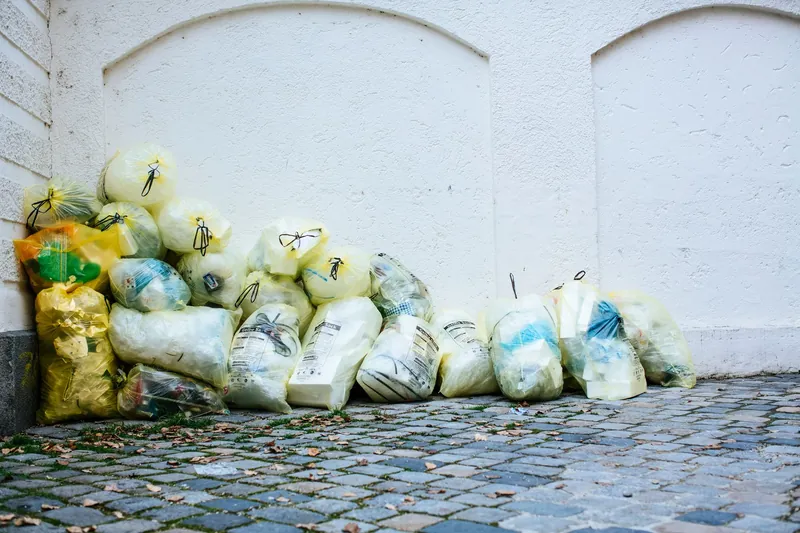
For most crime scene cleanups, time at the property is one to three days. A recent scene with a small affected area can take a day, while structural removal at a heavy scene can extend the work to two to five days.
| Scene | Typical time on site |
|---|---|
| Light scene, one area | Often one to two days |
| Standard scene affecting one to two rooms | Often one to three days |
| Heavy scene, several rooms or subfloor removal | Often two to five days |
Odor removal starts with removing the source. Spraying fragrance over blood or tissue only hides the smell for a few days.
After the contaminated materials are gone, the cleanup team can use HEPA air scrubbers to capture particles, hydroxyl generators that are safe to run while people are present, and ozone treatment in empty rooms for stubborn odor. Thermal fogging reaches odor in fabrics and wall cavities, and HVAC ductwork is checked so smell does not travel to other rooms.
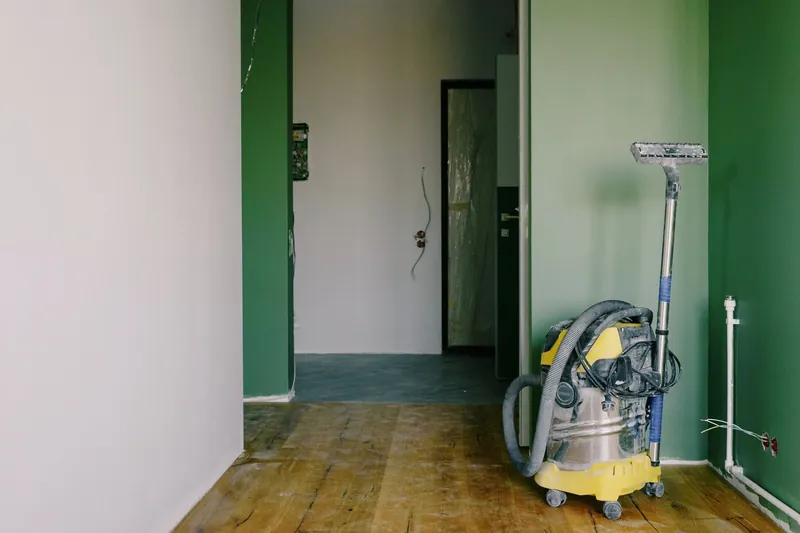
The full crime scene cleanup guide covers what is cleaned or removed, odor and air quality work, and the rules that apply in your state.
Read the full crime scene cleanup guideContainment, entry and cleanup plans can be influenced by local housing, population and access details.
Greenville is listed about 1.3 miles from Novant Health Presbyterian Medical Center, a relevant distance when prompt evaluation follows a biohazard exposure.
Connections to McCrorey Heights Historic District, McCrorey Heights, and Oaklawn make a precise address important for coordinating cleanup access without unnecessary neighborhood attention.
The Mecklenburg County location helps orient travel, while the neighborhood and full address identify where private cleanup work actually occurs.
Ask on the call about cleanup options for neighboring communities and ZIP codes.
Once the investigation ends, contaminated materials, blood and tissue are cleared during homicide cleanup.
See homicide cleanup
Families are spared from facing the scene through discreet and considerate suicide cleanup.
See suicide cleanup
Following accidents, violence or injuries, trauma scene cleanup addresses the affected area.
See trauma scene cleanup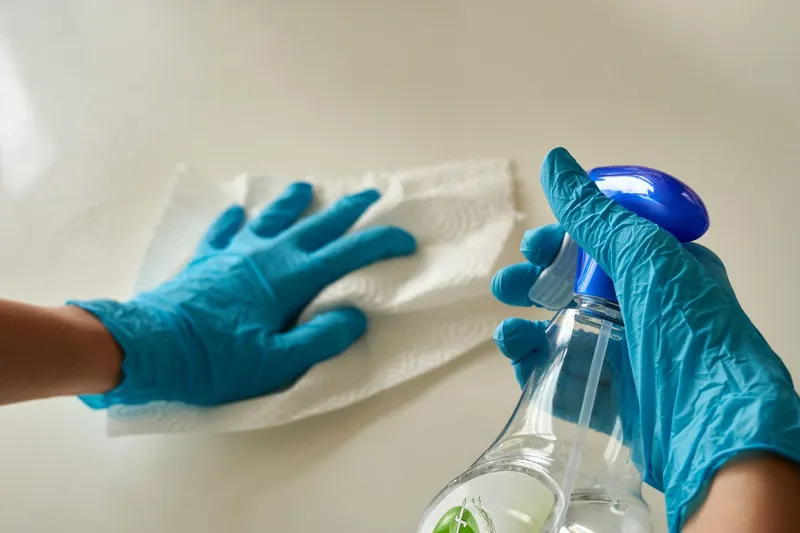
Blood cleanup on carpet, hard floors, walls and furniture with safe disposal.
See blood cleanup
When a death remains undiscovered for days, cleanup addresses decomposition and controls odors.
See unattended death cleanup
Death odor removal at the source with air scrubbers, hydroxyl and ozone treatment.
See death odor removal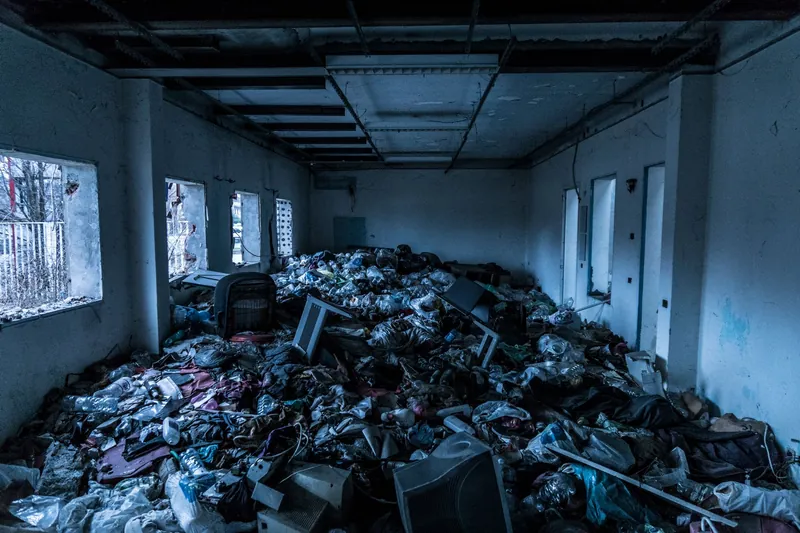
Deep cleaning, respectful sorting and removal are all part of hoarding cleanup.
See hoarding cleanup
Raw sewage cleanup of Category 3 black water, with disinfection and drying.
See raw sewage cleanupPolice, detectives and the medical examiner or coroner collect evidence and remove the deceased, but they do not clean. The property owner, the family or the landlord arranges crime scene cleanup, usually with professional crime scene cleaners.
It is called crime scene cleanup, forensic cleaning, forensic clean up, trauma cleanup or biohazard remediation. Workers performing the service are known as forensic cleaners or crime scene cleaners.
No. Once evidence collection is complete, law enforcement releases the property. Either the owner or the person managing the property is responsible for arranging cleanup.
At the beginning, a person must allow entry and approve the work scope. After that, many families choose not to stay while the work is done.
Affirmative. Chemical remnants and fingerprint dust are addressed through forensic cleaning. First comes dry collection, followed by the proper product for the material to keep powder from leaving stains.
For most residential crime scene cleanups, guides report typical costs from $1,500 through $7,500. Small surface work can cost less, but large scenes or several affected rooms may rise beyond $10,000.
Crews carry out respectful, discreet crime scene cleanup, arrive in unmarked vehicles and take calls 24 hours a day.